
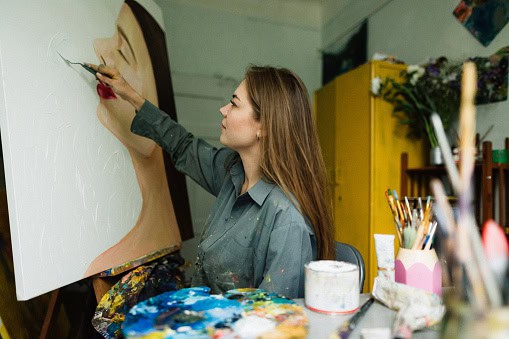
Creativity can be a powerful way to express emotions, connect with others, and make sense of difficult experiences. However, life as an artist can also bring significant emotional and professional pressures. From financial uncertainty and demanding schedules to performance anxiety and the constant expectation to produce original work, creative professionals may face challenges that affect their mental health. For some, alcohol or drugs become a way to manage stress, quiet uncomfortable emotions, or maintain the energy needed to meet demanding expectations. Understanding the connection between artists and addiction is an important step toward recognizing unhealthy patterns and finding effective, lasting support.
Artists are not inherently more likely to develop substance use disorders simply because they are creative. However, certain circumstances associated with artistic careers can increase exposure to stress, isolation, irregular routines, and environments where substance use is normalized. Recognizing these risks can help artists protect their well-being while continuing to pursue meaningful creative work.
Understanding the Connection Between Artists and Addiction
Artists often work in environments that demand emotional openness, originality, and persistence. Musicians, actors, writers, dancers, painters, and other creative professionals may draw inspiration from personal experiences, relationships, and challenging emotions. While this emotional depth can contribute to meaningful work, it can also make periods of stress or personal difficulty harder to manage.
Substance use may initially appear to offer relief. Alcohol might seem to reduce social anxiety before a performance, while stimulants may appear to help someone work through long creative sessions. Unfortunately, relying on these substances can gradually create physical and psychological dependence.
The Pressure to Stay Creative and Productive
Creative careers rarely follow predictable schedules. An artist may spend long hours preparing for an exhibition, recording an album, rehearsing for a performance, or meeting a demanding deadline. Freelancers and independent artists may also feel pressure to accept every opportunity because their income depends on continued work.
These demands can interfere with sleep, relationships, nutrition, and emotional stability. When exhaustion becomes routine, some individuals turn to substances to stay awake, relax, or temporarily escape their responsibilities.
Over time, this pattern can become difficult to control. What begins as occasional use may develop into a substance use disorder that affects professional performance and personal relationships.
Social Environments Where Substance Use Is Normalized
Certain creative industries have social environments where drinking or drug use may be treated as an ordinary part of networking, celebrating, or managing performance-related stress.
For example, musicians may encounter alcohol backstage, while artists attending late-night industry events may face pressure to participate in recreational substance use. Although these experiences do not automatically lead to addiction, repeated exposure can make unhealthy habits seem acceptable.
Learning to recognize these influences is an important part of protecting long-term mental health and maintaining healthy boundaries.
How Mental Health Challenges Can Contribute to Substance Use
Addiction and mental health conditions frequently occur together. Artists may experience anxiety, depression, trauma, grief, or low self-esteem while trying to maintain demanding creative careers. Without appropriate support, these challenges can contribute to unhealthy coping behaviors.
Anxiety, Depression, and Performance Pressure
Performing in front of an audience, presenting artwork, competing for professional opportunities, or dealing with public criticism can create considerable emotional strain. Artists may also struggle with perfectionism, comparing their work to others, or feeling that their personal worth depends on professional success.
For someone experiencing anxiety or depression, alcohol or drugs may seem to offer temporary relief. However, substance use can worsen mood disturbances, disrupt sleep, increase anxiety, and make emotional regulation more difficult.
This creates a cycle in which uncomfortable feelings encourage further substance use, while the consequences of substance use create additional emotional distress.
Professional mental health treatment can help individuals understand these patterns and develop healthier ways to manage difficult emotions.
Isolation and the Emotional Demands of Creative Work
Many artists spend considerable time working independently. Writers may spend hours alone developing projects, while visual artists and musicians may work irregular schedules that limit opportunities for social interaction.
Although solitude can support creativity, prolonged isolation may contribute to loneliness and depression. Artists who lack dependable support systems may also find it difficult to recognize when their substance use is becoming problematic.
Maintaining relationships with trusted friends, family members, mentors, and recovery professionals can provide an important source of stability. Having someone to talk to can make it easier to address emotional difficulties before they become overwhelming.
Recognizing the Warning Signs of Addiction in Artists
Addiction does not always develop suddenly. In many cases, substance use gradually becomes a regular part of someone’s routine. Artists may initially believe they can control their drinking or drug use, especially when they continue meeting professional responsibilities.
However, maintaining a career does not necessarily mean that substance use is harmless.
Recognizing warning signs early can help individuals seek treatment before addiction causes more serious consequences.
Changes in Creative Performance and Daily Habits
Some warning signs include:
-
Relying on alcohol or drugs to feel confident before performances or creative projects.
-
Using substances to overcome creative blocks or maintain productivity.
-
Experiencing difficulty sleeping without alcohol or other substances.
-
Missing rehearsals, meetings, exhibitions, or professional deadlines.
-
Losing interest in creative activities that once brought enjoyment.
-
Becoming increasingly isolated from friends and family.
-
Experiencing financial difficulties because of substance-related spending.
-
Making repeated attempts to reduce or stop substance use without success.
These behaviors may indicate that substance use is affecting more than an individual’s professional life. They can also signal the development of a substance use disorder that requires professional attention.
When Creative Expression Becomes a Way to Avoid Emotional Pain
Art can provide a meaningful outlet for processing difficult experiences. However, creativity should not become the only way someone manages emotional distress.
An artist might spend hours working on projects to avoid confronting personal problems or use substances to disconnect from uncomfortable feelings before returning to creative work.
Therapy can help individuals identify the emotions and experiences behind these behaviors. With appropriate guidance, they can develop healthier coping strategies while maintaining a meaningful relationship with their artistic interests.
How Addiction Treatment Can Support Artists
Recovery does not require someone to abandon their creative identity. In fact, a well-designed treatment plan can help individuals reconnect with their interests, establish healthier routines, and develop the emotional stability needed to pursue their goals.
Professional addiction treatment addresses the physical, psychological, and behavioral aspects of substance use. It also considers the circumstances that may have contributed to addiction.
At Creative Recovery LA, treatment combines clinical care with creative approaches that encourage emotional expression and personal development. Its treatment options include medical detox, residential treatment, partial hospitalization (PHP), intensive outpatient (IOP), and outpatient services.
Treatment Programs+1
Individualized Addiction Recovery Plans
Every artist has a different background, creative environment, and set of recovery needs. Some individuals may require help addressing long-term substance dependence, while others may need support managing anxiety, depression, trauma, or stressful professional circumstances.
An individualized treatment plan considers these differences rather than applying the same approach to everyone.
Depending on an individual’s clinical assessment, treatment may include:
-
Individual counseling to explore personal challenges and emotional triggers.
-
Group therapy to build communication skills and supportive relationships.
-
Cognitive behavioral therapy to identify unhealthy thought patterns and behaviors.
-
Dual diagnosis treatment for co-occurring addiction and mental health conditions.
-
Relapse prevention planning to prepare for difficult situations.
-
Medication management when clinically appropriate.
Addressing addiction and mental health together is particularly important. Treating substance use without considering underlying emotional difficulties may leave individuals vulnerable to returning to unhealthy coping behaviors.
Choosing the Right Level of Care
The appropriate treatment setting depends on the severity of substance use, physical health, mental health needs, and available support.
Medical detox: Individuals experiencing physical dependence may need medically supervised detox to manage withdrawal safely. Withdrawal from certain substances, including alcohol and benzodiazepines, can involve serious medical complications.
Residential treatment: A residential program provides a structured environment where individuals can focus on recovery with consistent professional support.
Partial hospitalization program (PHP): PHP offers intensive daytime treatment while allowing individuals to return to their living arrangements outside program hours when appropriate.
Intensive outpatient program (IOP): IOP provides structured therapy and recovery support while allowing participants to maintain certain work, family, and personal responsibilities.
Outpatient treatment: Outpatient care offers continued therapeutic support, accountability, and relapse prevention as individuals work toward greater independence.
These options can provide different levels of support throughout recovery. A professional assessment helps determine which setting is appropriate.
The Role of Art and Creative Expression in Addiction Recovery
For many artists, creativity is more than a profession. It is an important part of their identity and how they understand the world. Incorporating creative activities into addiction treatment can provide additional opportunities for emotional expression, self-reflection, and personal growth.
Creative approaches are most effective when they complement, rather than replace, evidence-based clinical treatment.
Art Therapy and Emotional Expression
Art therapy can help individuals communicate feelings that may be difficult to explain through conversation alone. Drawing, painting, sculpture, and other creative activities can provide ways to explore personal experiences in a supportive therapeutic setting.
For artists recovering from addiction, these activities may help them:
-
Express emotions associated with stress, trauma, and loss.
-
Develop healthier ways to manage frustration and anxiety.
-
Rebuild confidence and self-esteem.
-
Explore personal identity beyond substance use.
-
Rediscover interests that bring genuine satisfaction.
Creative Recovery LA incorporates art therapy into its treatment approach, including residential, PHP, and IOP services. Its creative programming is designed to complement individualized clinical care.
Art Therapy+1
Music, Movement, Yoga, and Mindfulness
Art is not the only creative outlet that can support recovery. Music, movement, yoga, and mindfulness practices can also help individuals develop greater emotional awareness.
Music therapy may encourage self-expression, while movement-based activities can provide healthy ways to release tension. Yoga and mindfulness can help individuals become more aware of their thoughts, physical sensations, and emotional responses.
These practices can be particularly useful when artists are learning to manage stress without relying on alcohol or drugs.
The goal is not to force creativity or productivity during recovery. Instead, individuals can gradually rediscover activities that provide enjoyment, connection, and a sense of accomplishment.
Building a Healthy Creative Career After Addiction
Returning to artistic work after addiction treatment can bring both excitement and uncertainty. Artists may worry about facing familiar environments, reconnecting with industry contacts, or managing professional expectations without returning to previous habits.
Developing a sustainable routine can make this transition easier.
Establishing Healthy Boundaries
Artists benefit from recognizing their personal limits and understanding which environments may threaten their recovery.
For example, someone who previously relied on alcohol during networking events may need to establish different ways of connecting with colleagues. A musician who regularly worked through the night may benefit from creating more consistent work and sleep schedules.
Helpful strategies include:
-
Setting realistic deadlines and avoiding unnecessary overcommitment.
-
Making time for regular meals, exercise, and adequate sleep.
-
Identifying professional environments that encourage substance use.
-
Developing relationships with supportive people who respect recovery goals.
-
Scheduling regular therapy or recovery support.
-
Learning to recognize stress before it becomes overwhelming.
These habits can help artists maintain professional commitments without sacrificing their physical and emotional well-being.
Finding Inspiration Without Substances
One common concern among artists entering recovery is whether sobriety will affect their creativity. Some may believe that alcohol or drugs help them access emotions, overcome creative blocks, or produce better work.
However, substance use can interfere with concentration, memory, judgment, and emotional stability. Depending on substances for inspiration can also make creative work increasingly difficult without them.
Recovery offers an opportunity to discover new sources of inspiration. Spending time outdoors, developing meaningful relationships, exploring different artistic techniques, and maintaining healthy routines can all contribute to creative growth.
Rather than measuring artistic success through constant productivity, individuals can learn to value consistency, personal development, and the satisfaction of creating without compromising their health.
Taking the First Step Toward Addiction Recovery
Artists deserve the opportunity to pursue their creative ambitions without feeling controlled by substance use. Although the pressures of an artistic career can make recovery challenging, professional treatment can provide the structure, guidance, and support needed to build a healthier future.
If alcohol or drug use has become a way to manage anxiety, depression, professional stress, or difficult emotions, reaching out for help is an important first step. You do not have to wait until addiction affects every part of your life before seeking professional guidance.
Creative Recovery LA offers treatment options that combine clinical addiction and mental health care with creative approaches such as art, music, yoga, movement, and sound healing. Its individualized programs recognize that recovery involves more than stopping substance use. It also means developing healthier coping skills, rebuilding confidence, and creating a sustainable lifestyle.
Treatment Programs+1
Your creativity does not have to depend on substance use. With appropriate treatment, a supportive recovery environment, and a commitment to personal well-being, it is possible to rediscover your artistic voice and build a fulfilling life in sobriety.
If you or someone you care about is struggling with addiction, consider contacting a qualified treatment professional to discuss available options. A healthier future and a renewed connection to creativity can begin with one conversation.