 A career built around creativity can be deeply rewarding, but it can also bring pressures that are difficult to manage. Artists often face unpredictable income, demanding deadlines, public expectations, performance anxiety, and the emotional strain of constantly producing meaningful work. When these challenges become overwhelming, some turn to alcohol or drugs to manage stress, improve concentration, or temporarily escape difficult feelings. What may begin as occasional substance use can gradually develop into addiction. Recognizing the warning signs and understanding where to find professional help can make a significant difference. For artists struggling with substance use, recovery is possible without giving up their creative identity or the work they love.
The connection between addiction and creative careers is complex. Not every artist experiences substance use problems, and creativity itself does not cause addiction. However, certain working conditions, social environments, and mental health challenges can increase vulnerability. Understanding these factors can help artists make healthier choices and recognize when professional support is needed.
Why Creative Careers Can Become Emotionally Overwhelming
Creative professionals often work in industries where success is uncertain and expectations are constantly changing. Unlike traditional careers with predictable schedules, artistic work may involve irregular hours, inconsistent income, intense competition, and frequent criticism.
For independent artists, the pressure can be even greater. They may need to manage their own marketing, finances, networking, and project development while finding time to create. Balancing these responsibilities can eventually affect sleep, relationships, and emotional well-being.
The Pressure to Succeed and Stay Relevant
Artists frequently feel pressure to prove their value through their work. Musicians may worry about producing successful releases, actors may face repeated rejection, and visual artists may struggle to gain recognition in competitive markets.
Social media can add another layer of stress. Constant exposure to other people’s achievements may encourage unhealthy comparisons and create unrealistic expectations about professional success.
When artists begin measuring their self-worth through recognition, income, or productivity, setbacks can feel deeply personal. Over time, this pressure may contribute to anxiety, depression, exhaustion, and unhealthy coping behaviors.
Irregular Schedules and Financial Uncertainty
Many creative careers involve inconsistent working hours. A musician might perform late into the night, while a filmmaker may spend extended periods completing a demanding project. Freelance artists may also experience financial uncertainty between assignments.
These circumstances can disrupt healthy routines and make it difficult to maintain consistent sleep, exercise, and social connections.
When stress becomes a regular part of daily life, alcohol or drugs may appear to offer temporary relief. Unfortunately, relying on substances to manage exhaustion or emotional discomfort can create a pattern that becomes increasingly difficult to break.
Recognizing the Warning Signs of Addiction in Artists
Addiction does not always look the same for everyone. Some individuals experience noticeable changes in their behavior, while others continue working and maintaining professional responsibilities despite developing a serious substance use problem.
This is why recognizing patterns is important. Professional success does not necessarily mean someone has control over their substance use.
Using Substances to Manage Creative Pressure
One warning sign is becoming dependent on alcohol or drugs to perform everyday activities.
For example, an artist might believe they need alcohol to feel confident at social events or drugs to remain productive during long creative sessions. Others may use substances to relax after performances or cope with criticism.
When substance use becomes a regular response to stress, it may indicate an unhealthy relationship with alcohol or drugs.
Other warning signs include:
-
Increasing the amount or frequency of substance use.
-
Feeling unable to relax or sleep without alcohol or drugs.
-
Missing professional commitments because of substance use.
-
Experiencing cravings during stressful creative projects.
-
Hiding substance use from friends, family, or colleagues.
-
Continuing to use substances despite financial, physical, or emotional consequences.
-
Making repeated attempts to stop without being able to maintain those changes.
These signs deserve attention, even if the individual continues to meet professional expectations.
Losing Interest in Work and Personal Relationships
Addiction can gradually affect the activities and relationships that once brought meaning to an artist’s life.
Someone who previously enjoyed painting, writing, composing, or performing may begin struggling with motivation and concentration. They may withdraw from friends, avoid family gatherings, or lose interest in professional opportunities.
Substance use can also create tension in relationships when others become concerned about changes in behavior.
Recognizing these changes early creates an opportunity to seek support before addiction causes further disruption.
The Connection Between Addiction and Mental Health
Mental health challenges can play an important role in the development and continuation of substance use problems. Artists may experience anxiety, depression, trauma, grief, or emotional exhaustion while trying to maintain demanding careers.
In some situations, substance use begins as an attempt to manage these experiences. However, alcohol and drugs can worsen existing mental health symptoms and create additional difficulties.
Anxiety, Depression, and Emotional Exhaustion
Performance anxiety, professional rejection, financial pressure, and uncertainty about the future can affect an artist’s emotional well-being.
Some individuals use alcohol to feel more comfortable in social situations. Others may rely on drugs to escape sadness, reduce stress, or temporarily change their mood.
Although these substances may produce short-term effects, they do not resolve the underlying problems. Continued use can contribute to worsening anxiety, disrupted sleep, mood changes, and difficulty managing emotions.
Mental health treatment can help individuals understand the relationship between their emotions and substance use. Therapy also provides practical tools for handling stress without relying on alcohol or drugs.
The Importance of Dual Diagnosis Treatment
Some individuals experience both a substance use disorder and a mental health condition. This is commonly referred to as a co-occurring disorder or dual diagnosis.
Treating only one issue may leave the other unresolved. For example, an artist who receives addiction treatment but continues experiencing untreated depression may remain vulnerable to relapse.
Dual diagnosis treatment addresses substance use and mental health together through an individualized clinical plan. Depending on the person’s needs, treatment may include individual therapy, group counseling, medication management, and relapse prevention strategies.
This coordinated approach helps individuals develop a stronger foundation for long-term recovery.
How Artists Can Begin the Addiction Recovery Process
Recognizing a substance use problem can be difficult, particularly when an artist believes that alcohol or drugs are connected to their creativity or professional success. However, seeking treatment does not mean abandoning artistic ambitions. Instead, recovery creates an opportunity to rebuild healthy habits, address emotional challenges, and develop a more sustainable relationship with creative work.
Professional addiction treatment provides structure and guidance while helping individuals understand the factors contributing to substance use.
Seeking a Professional Assessment
The first step is speaking with a qualified addiction or mental health professional. An assessment can help determine the severity of substance use, identify co-occurring mental health concerns, and establish an appropriate treatment plan.
Individuals should be honest about their substance use, withdrawal experiences, emotional difficulties, and previous attempts to stop.
This information helps treatment professionals recommend the right level of care. It also ensures that recovery planning addresses the person’s circumstances rather than relying on a general approach.
For people who have developed physical dependence, medically supervised detox may be necessary. Alcohol and certain medications can cause dangerous withdrawal symptoms, so attempting to stop suddenly without medical guidance may be unsafe.
Choosing Between Inpatient and Outpatient Treatment
Different artists require different levels of professional support. The right treatment setting depends on substance use severity, physical and mental health needs, home environment, and recovery history.
Inpatient or residential treatment: Residential care provides a structured environment where individuals can focus on recovery away from everyday pressures and potential triggers. It may be appropriate for people who need consistent supervision, intensive therapy, or a stable setting during early recovery.
Partial hospitalization programs (PHP): PHP offers intensive clinical treatment during the day while allowing individuals to return to an appropriate living environment outside scheduled treatment hours.
Intensive outpatient programs (IOP): IOP provides structured therapy and recovery support while allowing participants to maintain certain personal and professional responsibilities.
Outpatient treatment: Outpatient services offer continued counseling, relapse prevention, and accountability for individuals who do not require residential care or who are transitioning from a more intensive program.
These levels of care can work together as part of a continuing recovery plan. The goal is to provide the right amount of support at each stage of the process.
How Creative and Holistic Therapies Can Support Recovery
For artists, creative expression can be an important part of rebuilding emotional health. Activities such as painting, writing, music, and movement offer opportunities to explore feelings and reconnect with personal interests.
Creative therapies can complement traditional addiction treatment by providing additional ways to develop self-awareness and emotional regulation.
Art Therapy and Self-Expression
Art therapy uses creative activities to support emotional exploration and communication. It can be particularly helpful for individuals who find it difficult to describe painful experiences through conversation alone.
For example, an artist might use painting, drawing, or sculpture to explore feelings associated with grief, anxiety, trauma, or addiction.
The process is not about producing impressive artwork. Instead, the focus is on self-expression, reflection, and personal development.
Art therapy may help individuals:
-
Recognize emotions and identify personal triggers.
-
Explore difficult experiences in a supportive setting.
-
Develop healthier ways to manage stress.
-
Rebuild confidence and a sense of personal identity.
-
Find enjoyment in creativity without relying on substances.
Importantly, art therapy should complement evidence-based addiction treatment rather than replace clinical care.
Music, Movement, and Mindfulness
Music and movement can also provide meaningful opportunities for self-expression during recovery.
Music therapy may help individuals explore emotions, improve communication, and reconnect with positive experiences. Yoga and movement practices can encourage physical awareness, relaxation, and healthier responses to stress.
Mindfulness and meditation can help artists recognize difficult thoughts and emotions without immediately reacting to them. These skills may be useful when managing cravings, professional setbacks, or anxiety.
A well-rounded recovery plan can incorporate these approaches according to each person’s preferences, clinical needs, and treatment goals.
Individualized and Faith-Based Support
Some individuals also find strength through spirituality, personal values, or faith-based practices. These may provide a sense of purpose, connection, and encouragement during difficult stages of recovery.
However, spiritual support should respect individual beliefs and personal preferences. It can complement professional treatment, but it should not replace appropriate medical care or mental health services.
The most effective recovery plans recognize that people have different needs, experiences, and sources of motivation.
Rebuilding a Creative Life Without Addiction
Recovery involves more than stopping substance use. It also means developing a lifestyle that supports physical health, emotional stability, and meaningful personal relationships.
For artists, this may require rethinking how they approach work, manage expectations, and respond to creative challenges.
Creating Healthier Professional Boundaries
Returning to a creative career can introduce familiar pressures. Industry events, late-night performances, demanding deadlines, and professional relationships may expose individuals to situations associated with previous substance use.
Establishing healthy boundaries can help protect recovery.
Practical strategies include:
-
Set realistic working hours. Avoid treating exhaustion as a requirement for creative success.
-
Plan for challenging situations. Identify events, people, and environments that may trigger cravings.
-
Build a supportive professional network. Connect with colleagues who respect your recovery goals.
-
Make time for personal well-being. Prioritize sleep, nutritious meals, exercise, and meaningful relationships.
-
Continue professional treatment. Attend therapy, recovery meetings, and follow-up appointments as recommended.
These habits can help artists maintain a healthier balance between professional responsibilities and personal needs.
Rediscovering Creativity Without Substances
One concern some artists have about sobriety is whether they will lose their inspiration or ability to create.
This fear can be powerful, especially when substance use has become associated with writing, composing, performing, or developing new ideas.
However, creativity does not require addiction. Substance use can interfere with memory, concentration, judgment, and emotional stability. Recovery allows individuals to explore new ways of working without depending on alcohol or drugs.
Artists can gradually rebuild their creative routines through journaling, experimentation, collaboration, nature, and other meaningful activities.
Some may discover that consistent sleep and improved emotional health make it easier to concentrate and complete projects. Others may find new inspiration through relationships and experiences that were previously overshadowed by substance use.
The objective is not to recreate an earlier version of artistic success. It is to develop a healthier and more sustainable creative life.
Taking the Next Step Toward a Healthier Future
Artists should not have to choose between their creative ambitions and their well-being. Although the pressures of an artistic career can make addiction recovery challenging, professional treatment can help individuals regain control of their lives while maintaining the interests and relationships that matter to them.
If substance use has become a way to manage stress, anxiety, depression, or professional expectations, consider reaching out to an addiction treatment professional. Asking for help is not a sign of weakness or a lack of discipline. It is a meaningful decision to protect your health and future.
A supportive treatment program can help address the physical and emotional aspects of addiction through clinical therapy, individualized recovery planning, and complementary creative approaches. Whether someone needs residential treatment, outpatient care, or continued mental health support, finding the appropriate level of care is an important part of lasting recovery.
Most importantly, remember that your identity is bigger than your struggles. You can rediscover your interests, rebuild relationships, and develop a fulfilling life without depending on substances.
Your creativity deserves a healthier foundation. If you or someone you care about is struggling with addiction, take the first step by speaking with a qualified treatment professional. Recovery can open the door to a future where artistic expression and personal well-being can grow together.
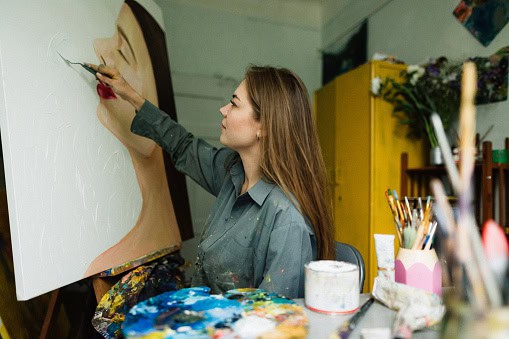
 The intersection of art and addiction has been a longstanding, complex narrative in the creative realm. Many iconic artists throughout history have grappled with substance abuse, raising questions about the connection between the artistic process and the allure of addiction. In this exploration, we delve into the factors that contribute to the magnetic pull of addiction in the artistic world.
 Substance abuse can lead to damaging psychological effects, such as depression, which can impede the creative process and lead to creative blocks. This can be seen in the works of iconic artist Jean-Michel Basquiat, who struggled with heroin addiction. During his most productive artistic period, Basquiat produced beautiful, captivating work, but even at this point in his career, his addiction was creating a rift between the daring, cutting-edge works that made him famous and the fading works of his later career.